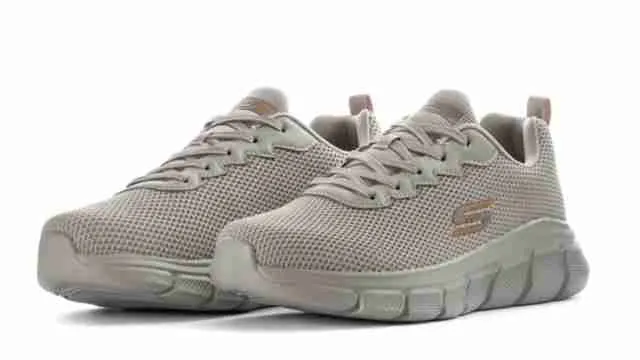
Heel pain usually becomes noticeable after the first few hours of walking, not always from one sudden injury. Thin shoes, hard floors and long standing hours keep pressing the same heel area again and again. A memory foam sockliner helps by giving that part of the foot a softer landing inside the shoe. Instead of keeping the heel on a flat, stiff base, the foam slowly settles under body weight and fills the small gap between the foot and footbed. This makes pressure feel more spread out, especially around the heel cup, arch side and front part of the foot. The shoe may still look simple from outside, but inside it feels less sharp on the heel. For daily wear, that small comfort layer can make walking feel much easier.
Why The Heel Needs Soft Support Before The Pain Spreads To The Whole Foot?
Heel pain does not always feel serious in the beginning. It can start with that small hard feeling under the heel after office hours, shopping, travelling or standing in the kitchen for long. Most people ignore it because the pain goes down after rest. But the next day, the same shoe and the same hard floor bring it back.
The problem is, once the heel starts hurting, the foot stops walking normally. The person may put more weight on the front foot, press the outer side more, or walk with a slight pull near the ankle. This is how one small heel issue starts making the whole foot tired.
A memory foam sockliner helps by making the inside base of the shoe less harsh. It lets the heel sit a little into the foam, so the pressure does not stay stuck at one painful point. For daily shoes, this small layer is worth checking before buying.
Check out more article like this in our Footwear section.
How A Sockliner Changes The Way Your Foot Lands Inside The Shoe?
The heel does not land softly on its own. In most shoes, it hits first, takes the first shock, and then the foot moves forward. If the inside layer is too hard, that first hit feels direct, like the floor is coming through the shoe. Memory foam sockliners reduce this by letting the heel press down slightly before the pressure moves ahead.
The useful part is not only softness. The foam fills the small uneven space under the heel, so the load does not stay on one sharp point. It slowly moves towards the arch and front foot as the step continues.
Bonus tip: press the heel area of the shoe with your thumb before buying. If it feels soft but comes back too fast, it may flatten quickly. A better memory foam sockliner should feel slow, steady and slightly dense.
Which Memory Foam Shoes Work Better For Different Daily Needs?
Not every memory foam shoe is made for the same kind of foot pain. For long standing hours, pick shoes that have a thick heel area, soft sockliner and a firm outer sole. Too much softness can also make the heel sink and feel tired later. Skechers and Bata Power are better options for people who need walking comfort for office floors, travel or daily errands.
For casual walking and college or office use, adidas Cloudfoam and PUMA SoftFoam+ type shoes work well because they feel light, sporty and easy to wear for many hours. They are better when the pain is mild and the main need is comfort, not heavy support.
For budget daily wear, Red Tape and Campus offer many memory foam insole shoes. These are good for people who want softer step-in comfort without spending too much.
Bonus tip: do not buy only because the tag says memory foam. Press the heel, twist the shoe slightly and check the back support. A good shoe should feel soft under the heel but not loose from the sides.
Memory Foam Sockliners Work Best When Cushioning, Heel Grip And Sole Support Come Together
A memory foam sockliner alone cannot save a badly made shoe. It helps the heel feel softer, but the shoe also needs to hold the foot in the right place. If the heel keeps slipping up and down, the foam will not spread pressure properly. The foot will keep rubbing, sliding and landing unevenly.
This is why three things should work together. The sockliner should feel soft under the heel, the back part of the shoe should hold the heel without biting, and the outer sole should not fold too easily from the middle. When the base is too weak, the foot sinks more than it should, and heel pain may return after some walking.
A good way to check this is simple. Wear the shoe and take a few slow steps. The heel should feel cushioned, but not loose. It should bend near the toes, not under the arch. That balance gives better comfort than just thick foam.
Soft Shoes Feel Good At First, But Heel Support Decides The Real Comfort
A very soft shoe can fool the foot in the first five minutes. The heel feels cushioned, the step feels light, and it looks like the pain problem is solved. But after some walking, the real test starts. If the heel is not held properly, the foot keeps sliding inside the shoe and the soft foam starts feeling flat.
For heel pain, the better shoe is not always the softest one. It should have a padded sockliner, but also a firm back support and a sole that does not sink too much from the heel side. This keeps the heel stable while the foam spreads pressure.
A simple check is to walk a few steps and notice the heel. It should feel settled, not floating. That small difference decides long-hour comfort.
Memory Foam Is Not The Only Sockliner Type Used In Comfortable Shoes
EVA Sockliners: EVA is the kind of sockliner that feels light under the foot. It does not hug the heel like memory foam, but it gives a quicker bounce while walking. This works well in everyday sneakers where the foot needs comfort without that sinking feeling.
Gel Sockliners: Gel feels better when the main problem is hard floor impact. It is useful under the heel because it softens the first hit of each step. The only thing to check is shoe ventilation, because gel-based comfort can feel slightly warm in closed shoes.
PU Foam Sockliners: PU foam is for people who want comfort that does not become flat too soon. It feels a bit firm in the beginning, but that is not always bad. In office shoes or daily walking shoes, this type can hold the heel better for longer use.
Leather Sockliners: Leather sockliners are more common in formal shoes. They do not give soft padding like foam, but they feel smooth and settle with the foot over time. They are better for people who want a neat, less sweaty feel inside dress shoes.
Cork Sockliners: Cork is not soft in the usual way. It feels firm at first, then slowly starts matching the foot shape. This works better in sandals and comfort footbeds where the heel needs a stable base, not a pillow-like cushion.
Conclusion
At the end, don’t buy memory foam shoes only for that soft first feel. Walk in them, notice the heel, and see if the foot stays in place. If the shoe feels easy even after some time, that sockliner is actually worth it.
Disclaimer: At Jagran Reviews, we prioritize providing up-to-date information on the latest trending commodities and goods. Links in this article are affiliate links. Please note that our product recommendations are based on independent research and analysis however, Jagran Reviews shall not be held liable for any claims, damages, or disputes arising under applicable laws, including the Consumer Protection Act, 2019. Any issues regarding product quality, delivery, or warranties must be directed to the respective manufacturer or seller. Furthermore, the products featured in this article are organized for reader convenience and are listed in no particular order of priority or ranking.