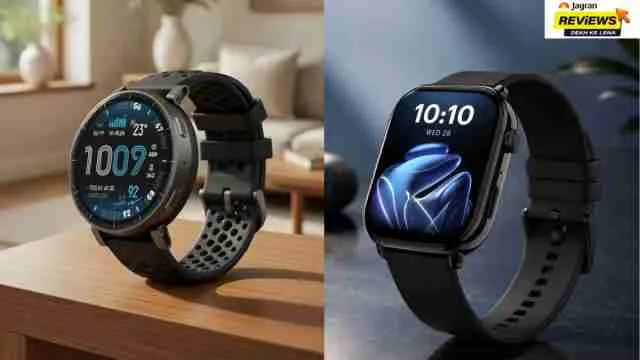
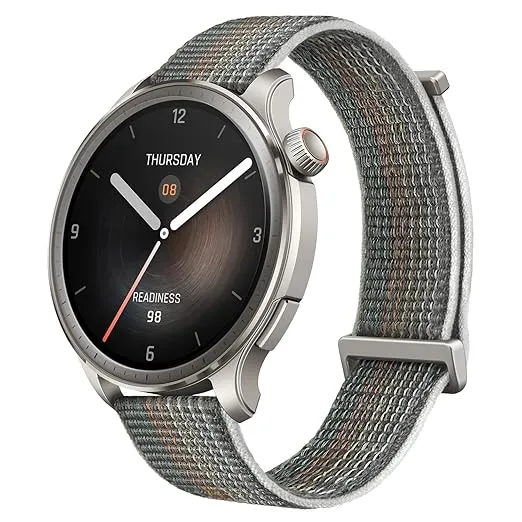
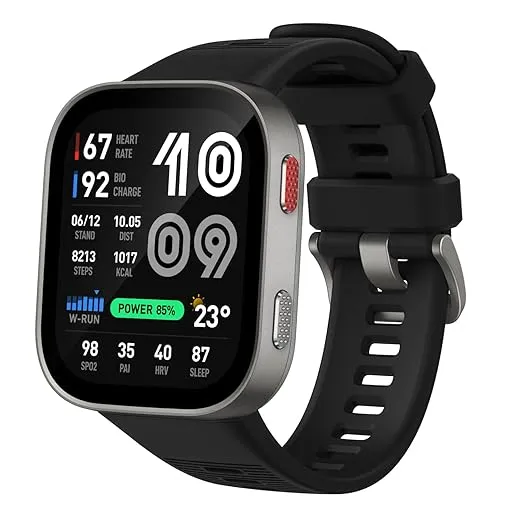
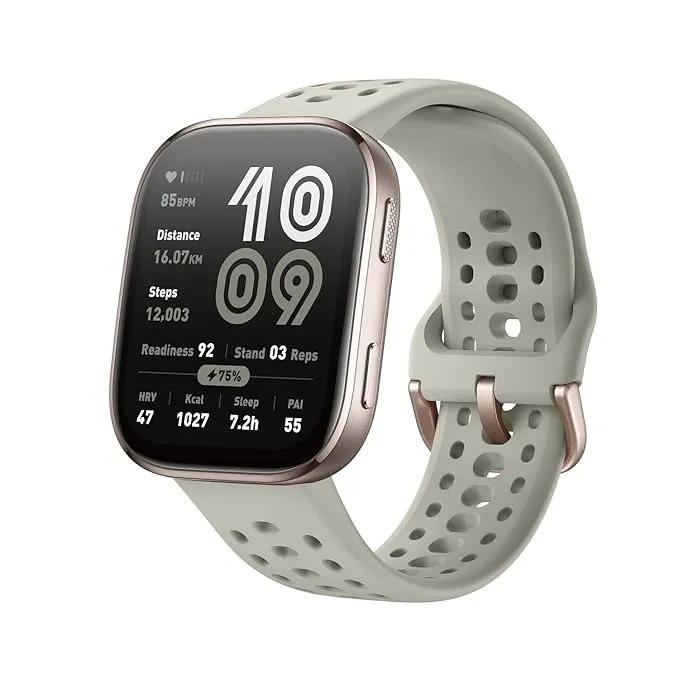
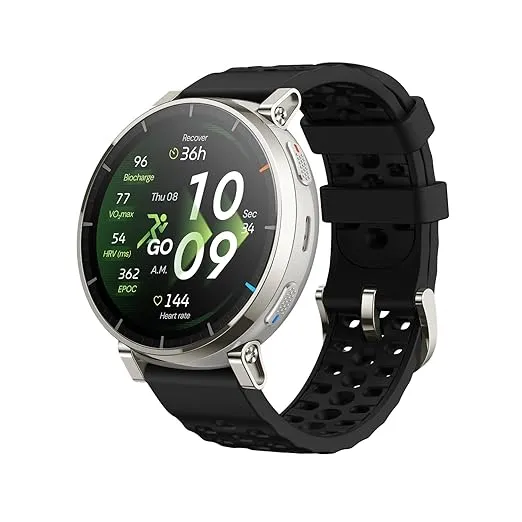
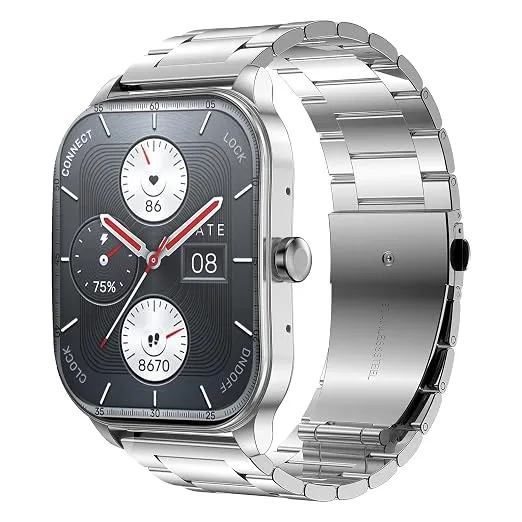
The Amazfit smartwatches are known for being the premier outdoor smartwatches that are equipped with vibrant AMOLED displays. These rugged wearables deliver dual-band GPS navigation, offline route mapping and military grade durability that are built for high physical activities. High screen brightness of these watches offers clear map readability under direct sunlight while extended battery life for tracking long routes. If you are planning to buy an Amazfit smartwatch, then these models can be some of the best choices that you can make.
Comparison Table for Amazfit Smartwatches: Key Features To Look For
Here is the table in which you will get to check some of the basics features that will help you in making the final purchasing decision.
Check out more recommendations at Jagran Reviews
Choosing Your Adventure Companion: A Comparative Analysis of Amazfit vs. Garmin
- Display: Amazfit is known for offering vibrant 2,000-nit AMOLED screens for detailed visuals whereas Garmin prioritizes sunlight readable Memory in Pixel or you can say premium AMOLED displays.
- Battery: Amazfit delivers up to 80 hours of total performance with the GPS. Garmin lags in this as it also has the solar-charging options for multi-week tracking.
- Navigation: Both of these brands feature dual-band GPS, the only difference is that Amazfit provides free offline topo maps while Garmin offers deeper routing ecosystems.
- Durability: Both of the smartwatch brands meet MIL-STD-810G military standards, with the titanium bezels and 10–20 ATM water resistance.
GPS vs. Dual Band Accuracy of Amazfit Smartwatch
Comparing single-frequency (L1) and dual band (L1+L5) GPS in Amazfit smartwatch reveals the performance gaps based on the area you are using it:
- High-rise buildings cause extreme signal reflection, due to which line of sight is blocked. Here the single-frequency GPS becomes slow, whereas the dual-band receiver uses L5 frequency filtering to reject reflected signals and reduce any kind of issue by up to 70% and to keep tracks aligned with city streets.
- There is one thing that the open skies provide direct line-of-sight access but the steep valleys and huge mountains face multiple path hurdles in signals. In this case, the dual-band system uses multi-constellation L5 signals to eliminate elevation errors and prevent track complications across the high hills.
Pre-Hike Checklist with Your Amazfit Smartwatch
If you are planning to go on a hike and expect to rely on your Amazfit smartwatch for all your tracking, here are some of the essentials that you should know before hitting the trail:
- Battery and Power: Charge your watch to 100% and then switch on the Accuracy Mode or Endurance GPS Mode for the trail duration.
- Offline Maps: Download offline topographical maps and import GPX or TCX route files through the Zepp app for offline navigation.
- Sensors: Use the built in compass to check the accurate elevation and storm alerts.
- Safety & Metrics: Set up fall detection and emergency contacts in the Zepp app and select the hiking activity profile to log SpO2 and elevation profiles.
Also Read:
5 Fire-Boltt Smartwatches On Amazon that Have Stylish Design, Activity Tracker & Notifications (July 2026)
5 Waterproof Smartwatches That Can Actually Survive Heavy Rain
Disclaimer: At Jagran Reviews, we prioritize providing up-to-date information on the latest trending commodities and goods. Links in this article are affiliate links. Please note that our product recommendations are based on independent research and analysis however, Jagran Reviews shall not be held liable for any claims, damages, or disputes arising under applicable laws, including the Consumer Protection Act, 2019. Any issues regarding product quality, delivery, or warranties must be directed to the respective manufacturer or seller. Furthermore, the products featured in this article are organized for reader convenience and are listed in no particular order of priority or ranking.